● Programs
School-Based Therapy
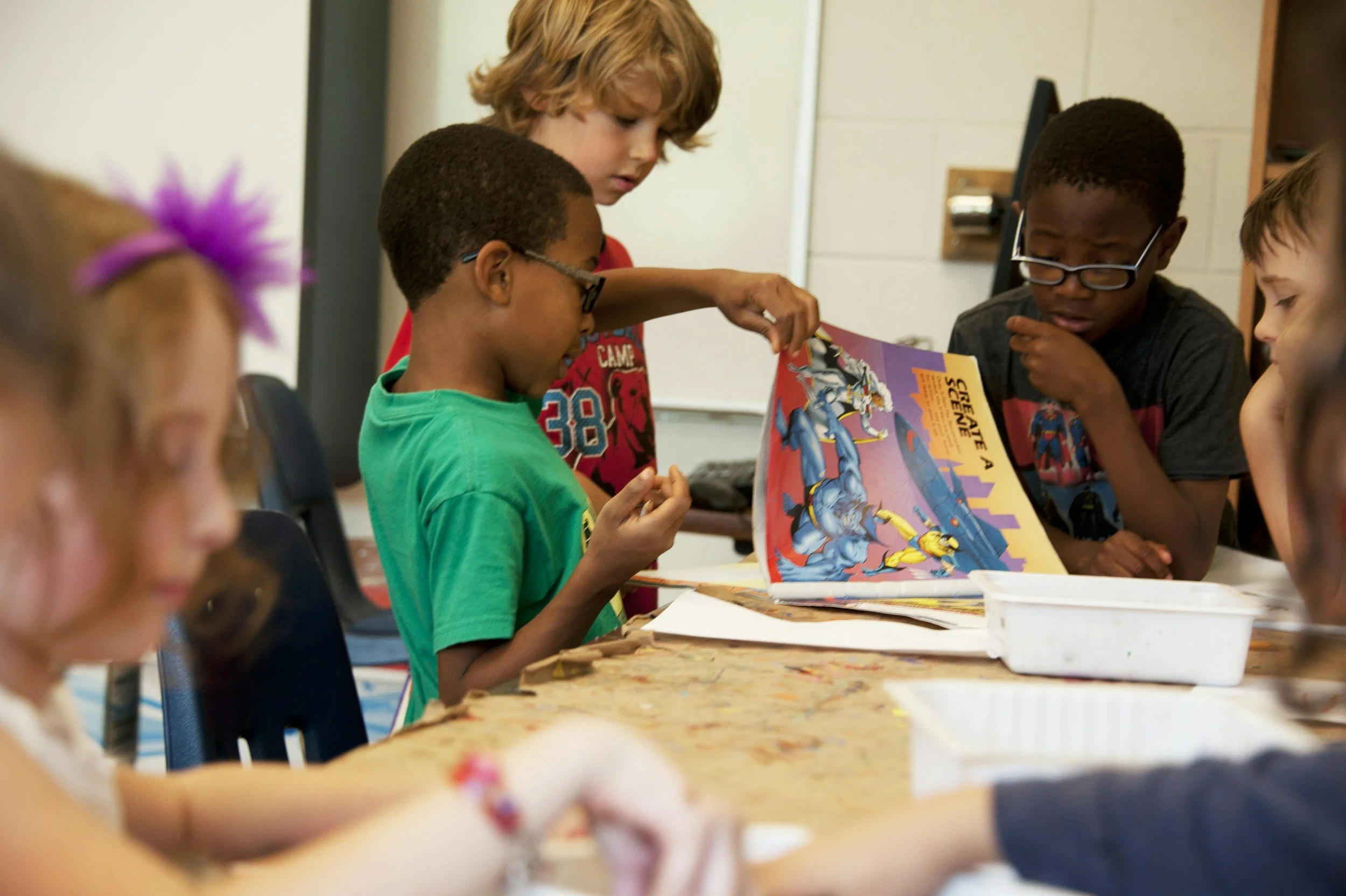
School is about more than just academics, it’s about finding a place in a community. Our School-Based ABA services bridge the gap between clinical support and the educational environment.
By integrating our Analysts directly into the school setting, we help your child navigate the unique social and academic demands of the classroom in real-time.
● Program Overview
What They’ll Learn
Whether your child attends a private or public school, daycare, camp, or religious setting; our goal is to provide the support they need to be successful, independent, and engaged alongside their peers.
We collaborate closely with teachers, caregivers and staff to ensure that behavioral strategies are consistent, helping your child transform "school time" into a series of successful breakthroughs.
Ages
2 years
and up
Average
30 hours
weekly
Classroom Readiness & Academic Engagement
Success in the classroom begins with the ability to learn how to learn. We focus on the foundational behaviors that make academic progress possible, such as following multi-step directions, staying on task during independent work, and participating in group lessons. By breaking down the classroom routine into achievable goals, we help your child build the stamina and focus needed to keep up with their curriculum.
Social Navigation and Peer Interaction
The playground and the lunchroom are where the most complex social learning happens. Our therapists provide real-time coaching to help your child initiate conversations, share materials, and understand the unspoken social rules of peer groups. We move beyond role-playing to help your child form genuine connections and navigate friendships in the natural social environment of school.
Transition Management and Self-Regulation
The school day is full of changes, such as moving from the classroom to the gym or shifting from a favorite activity to a difficult subject. We teach your child the coping skills and self-regulation strategies needed to handle these transitions with confidence. Through visual schedules and positive reinforcement, we reduce transition anxiety and empower your child to manage their emotions throughout the day.
Collaborative Advocacy and Staff Training
We believe that a child’s success is a team effort. A major part of our school-based service is collaborating with your child's educational team. We provide data-driven insights for IEP (Individualized Education Program) meetings and offer in-the-moment coaching for teachers and aides. This ensures that everyone working with your child is using the same evidence-based tools, creating a unified circle of support.

● School Life
What a School Day Looks Like with ABA Support (8:30 AM – 2:30 PM)
-
Your child is welcomed into the classroom and supported with unpacking, getting organized, and reviewing their daily schedule. We help them start the day feeling calm and ready.
-
Your child participates in morning meeting or circle time with support as needed. We focus on skills like attending, following group directions, and engaging with peers.
-
During classroom instruction, your child receives ABA support to help them stay engaged, complete tasks, and build academic and learning skills at their level.
-
We help your child transition smoothly between activities while practicing skills like waiting, lining up, and following directions appropriately.
-
Your child continues working on classroom math activities with support as needed, including prompting, reinforcement, and skill-building aligned with their goals.
-
This time focuses on peer interaction, sharing, turn-taking, and communication skills in small group or classroom settings.
-
We support independence during lunch, such as opening items, cleaning up, and engaging appropriately with peers.
-
Your child practices social and play skills in a natural environment, including sharing, joining play, and handling winning/losing.
-
ABA support continues in the classroom to help your child stay engaged, complete work, and manage behavior when needed.
-
A short break helps your child regulate, reset, and prepare to stay successful for the remainder of the day.
-
We work on building independence by helping your child complete tasks with fewer prompts and more confidence.
-
Your child is supported in organizing materials, following end-of-day routines, and transitioning smoothly out of the classroom.
● Meet Our
Behavior Analysts

Darius Tice
RN, BCBA
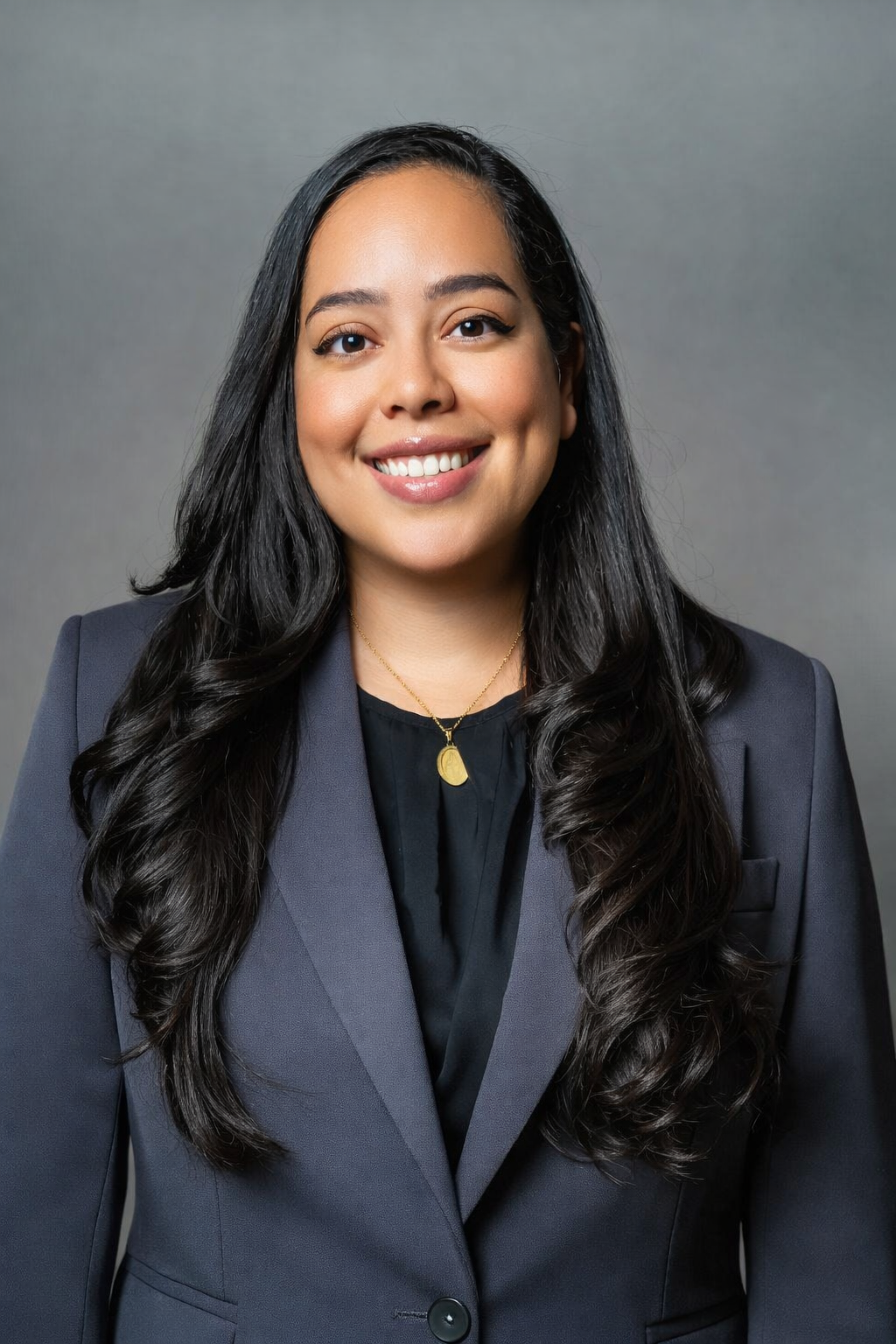
Jennifer Fernandez
BCBA

Milton Lanzas
BCBA
Frequently Asked Questions
-
This depends on your specific school district’s policies and your child’s Individualized Education Program (IEP). Many South Florida schools allow "Registered Behavior Technicians" (RBTs) to provide one-on-one support in the classroom, but it usually requires a collaborative agreement between our clinic and the school administration. We help you navigate these conversations to ensure your child has the support they need.
-
Not at all. School-based ABA is designed to support academics, not replace them. Our goal is to remove the behavioral or sensory barriers that prevent your child from learning. By teaching a child how to stay on task or follow a teacher’s directions, we actually help them engage more deeply with their schoolwork and keep up with their peers.
-
We view the teacher as our most important partner. Our analysts stay in the background as much as possible to allow the teacher to lead the class, stepping in only to provide "in-the-moment" prompting or regulation strategies. We share data and successful techniques with the school staff so that the entire classroom environment becomes more supportive for your child.
-
Yes, this is one of the biggest benefits. Unlike a clinic, school provides a natural social setting. We use "Natural Environment Teaching" to coach your child through real-life social moments—like asking to join a game at recess or sitting with friends at lunch. This real-time coaching helps social skills "stick" much better than practicing them in a controlled environment.
-
If you are advocating for school-based services, ask for a Functional Behavior Assessment (FBA). This is a formal process schools use to understand why a behavior is happening, and it is often the first step toward getting ABA-style supports written into an IEP or 504 Plan.
● Contact
Request Information