
● Programs
In-Home Sessions
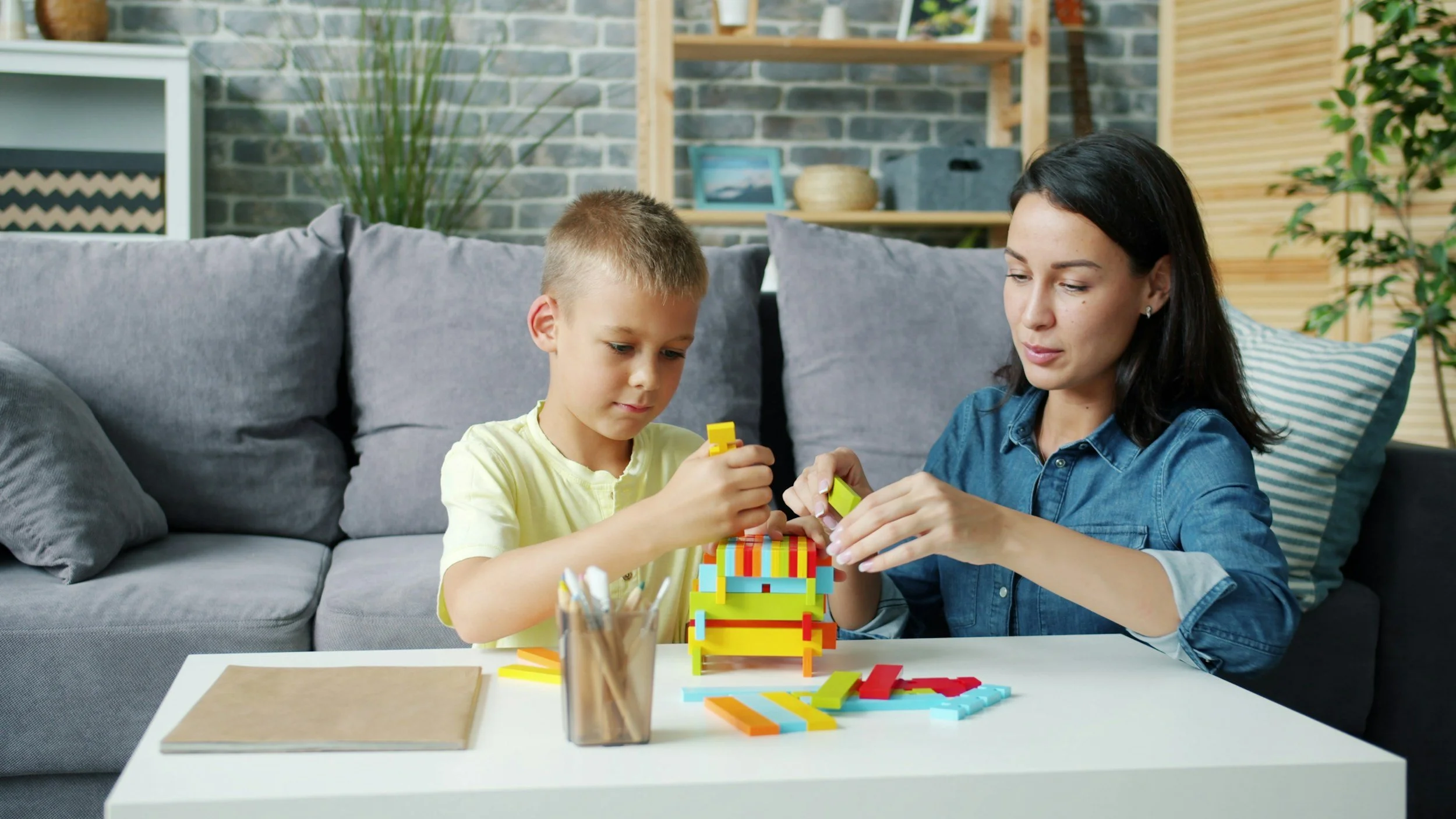
While clinic-based therapy offers a structured environment, In-Home ABA services allow for a unique level of personalization.
By bringing our South Florida team into your child’s natural environment, we can address challenges and celebrate victories exactly where they happen, at the kitchen table, in the backyard, or during the bedtime routine.
● Program Overview
What They’ll Learn
In-home therapy reduces the stress of transitions and allows us to work on "real-life" skills in real-time. This setting fosters a sense of security for your child and provides parents with a front-row seat to the progress, making it easier to carry over successful strategies into daily family life.
Ages
2 years
and up
Average
20 hours
weekly
Natural Environment Teaching (NET)
In-home therapy utilizes your child’s own toys, snacks, and personal space to drive learning. Instead of sitting at a clinical desk, we use the "natural environment" to spark motivation. Whether it’s learning to request a favorite snack in the kitchen or practicing turn-taking during a sibling board game, skills learned in context are often mastered faster and retained longer.
Daily Living & Self-Care Skills
The home is the primary classroom for independence. We focus on the essential "Activities of Daily Living" (ADLs) within the environment where they actually occur. Whether this includes potty training in your family’s bathroom, following a morning hygiene routine, or practicing mealtime manners at your own dinner table. Building these skills at home directly increases your child’s autonomy and reduces family stress.
Generalization of Skills
One of the biggest hurdles in therapy is "generalization", the ability to take a skill learned and apply it elsewhere. In-home services solves this naturally. Because the child learns to follow directions or communicate needs within their own home, those skills are immediately functional. We help bridge the gap between "knowing a skill" and "using a skill" in the real world.
Parent & Caregiver Collaboration
In-home ABA isn't just for the child; it’s for the whole family. Having a clinician in your home allows for organic "Parent Training." We can model techniques in real-time during a difficult transition or a sensory meltdown, empowering you with the exact tools you need to handle situations confidently when we aren't there. You aren't just a spectator, you are an active partner in your child's success.
● Daily Life
What an ABA In-Home Session Looks Like (After School | 3:30–6:30 PM)
-
The therapist greets your child and starts with fun, preferred activities to build trust and help them transition into session comfortably.
-
Your child works on skill-building activities like communication, matching, imitation, and early learning skills. Sessions are highly supported and include frequent positive reinforcement.
-
Skills are practiced through play, such as taking turns, making requests, and engaging in social interaction in a natural way.
-
Snack time is used to build real-life communication skills like requesting items, following directions, and increasing independence.
-
Your child practices everyday skills such as dressing, hygiene, cleaning up, and simple chores using step-by-step teaching.
-
A structured break with physical activity helps your child stay regulated, focused, and ready to continue learning.
-
We continue working on individualized goals, including skill development and behavior support when needed.
-
Focus on social interaction, conversation, and cooperative play to help your child use skills with others.
-
The therapist reviews the session with you, shares progress, and provides strategies you can use at home to support continued growth.
● Meet Our
Behavior Analysts

Dr. Jill Kuber
Psy.D., BCBA

Dr. Ismenia Gonzalez
Ph.D., BCBA-D

Yxis Gonzalez
LMHC, BCBA
Frequently Asked Questions
-
The primary benefit is Natural Environment Teaching (NET). In a clinic, we simulate "real life"; at home, we are in real life. Learning to wash hands in your own sink or sit at your own dinner table removes the extra step of "generalization", the difficult process of a child taking a skill learned in one place and applying it to another.
-
While you don't need to be a "co-therapist," your presence is vital. In-home therapy is most successful when parents are available for caregiver coaching. We often spend the last portion of a session modeling techniques for you so that the progress continues long after our therapist leaves. However, we also respect your need to manage your household while we work with your child.
-
You don't need a dedicated classroom or expensive equipment. In fact, using your child’s actual toys and daily environment is better for their learning. All we need is a relatively clear space where your child feels comfortable. We adapt to your home’s layout, whether that’s the living room floor, the backyard, or the kitchen.
-
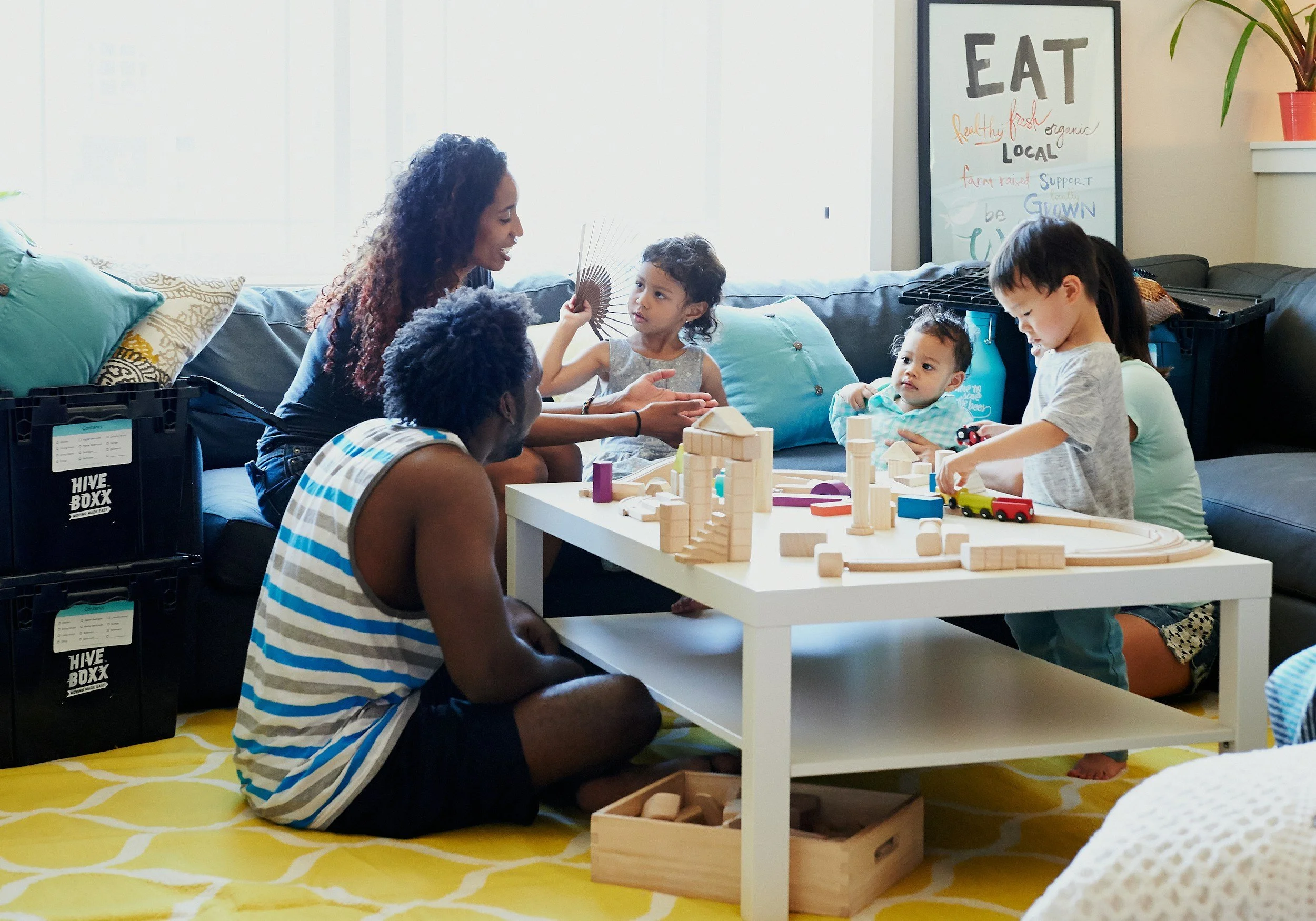
We actually view "distractions" as teaching opportunities. In the real world, siblings interrupt and dogs bark. Part of our role is teaching your child how to navigate these social dynamics, like learning to share a toy with a brother or staying calm when the environment gets noisy. We work with you to find a balance that keeps the session productive.
-
Yes. While clinics offer a more controlled environment, in-home therapy often leads to more functional independence because the skills are tied directly to the child's daily routine. For many families, the reduction in "commute stress" and the ability to work on morning or bedtime routines makes in-home therapy the most sustainable and effective choice for their lifestyle.
● Contact
Request Information